Bill 101, hum… 101… The Sign Law
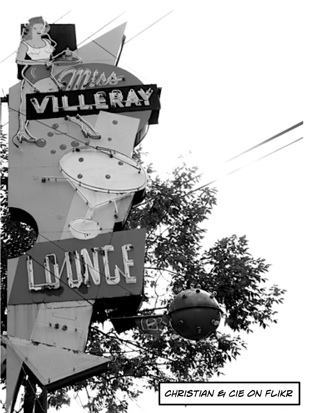
In 1977 The Charter of the French language, a.k.a. bill 101, made it illegal to put up commercial signs in English or any other language but French in the Canadian province of Québec.
From that moment on, French and only French was allowed on storefronts, signs and posters inside stores, billboards and all other signs of a commercial nature.
Yes, Montreal was going to become the first city in the world to have a Chinatown without any visible Chinese alphabet…
That… odd… situation ended in 1993, after quite a few court challenges, when the law was changed to allow other languages on commercial signs as long as French was present and « predominant ». Nonetheless, as the 2008 Irish Pub Troubles demonstrated, the law remained controversial.
Montreal vs. Montréal
In most countries the language of commercial signs is not something that is legislated and to those who know the Montreal of the 21st century where practically all signs are in French, the very idea of regulating the use of other languages might seem a little bit closed-minded. To understand the reason for this regulation, one must absolutely step back a few decades.
Back in the day, French was not so visible in downtown Montreal. American professor Marc Levine wrote in his 1990 book called The Reconquest of Montreal that « before 1960, although Montreal’s linguistic composition was predominantly French, its linguistic character was undeniably English. Montreal was the urban center of English Canada where downtown boardrooms functioned in English, the best neighbourhoods were inhabited by English-speakers, downtown was festooned with billboards and commercial signs in English. »
The sign law was seen by many Francophones as a way to proclaim the end of centuries of Anglo-Saxon domination in Québec and there was certainly some feelings of vindictiveness in the air.
Nonetheless, the French-only rule was a very powerful symbol of the political and economic empowerment of the French-speaking people that were the overwhelming majority in Montreal. It was a way for them to stake a claim on the city, it’s downto…, er, Centre-Ville and it’s boardrooms. It was the unapologetic claim of Montreal by the Québécois as their city and metropolis.
Some English-speaking Montrealers gracefully accepted the new ways. Others left for Toronto. Some took the Québec government to court on constitutional or freedom-of-speech grounds. Others refused to comply.
The pressure did not only come from the English-speaking side of Mount-Royal. When the Supreme Court of Canada struck down parts of the law in 1988, 25 000 people took to the streets of Montreal demanding that the law be maintained intact. This set off a series of events that culminated with Québec nearly leaving Canada in 1995.
Although usually loathed and misunderstood in the 9 other provinces, Québec’s language laws have some strong supporters in… native Canadian communities. The government of Nunavut, a Canadian territory where 83% of the population is Inuit, is currently working on a language law inspired by the one in Québec. (Really. Even the National Post had to deal with it…)
Bill 101 and 86 only apply to commercial signs. Nothing in the law says anything about the language of signs in Churches, non-profit organizations or, of course, private homes. Political organizations are exempt, as are cultural activities. Very bad pop bands like, say, Simple Plan can have English-only posters plastered all over the city if they think it makes them look cooler.
Businesses who do not comply with the sign law can be fined, but only if a private citizen files a complaint and after provincial bureaucrats of the Office Québécois de la Langue Française notifies them and gives them time to modify their signs appropriately. These bureaucrats were nicknamed « Language Police » by angry Anglo shopkeepers, which lead to the widespread myth in Canada that Québec has a uniformed Language Police patrolling the streets of Montreal!
Click here for information on the Charter of the French Language’s School Law.
[digg=http://digg.com/politics/Understanding_quebec_s_Language_Laws]